Lemon Pound Justice
When the punchline sues back

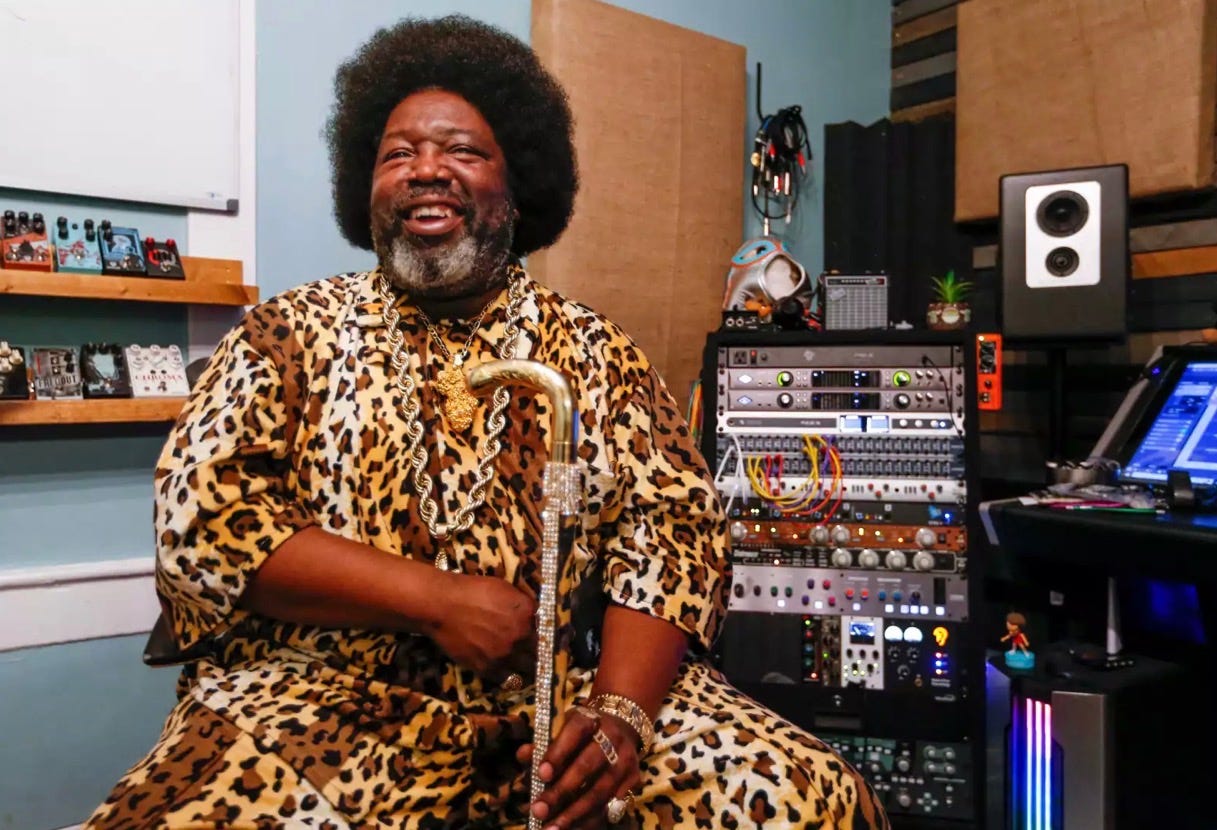
I suppose we’re now living in a country where the police can raid your home, find absolutely nothing, and then sue you for making them look bad on your own security cameras. That’s not satire, that’s Tuesday. And yet somehow, in this particular episode of American absurdity, the punchline didn’t just land, it won in court.
So here I am, watching a rapper called, “Afroman,” best known for a weed anthem accidentally become a First Amendment case study, and I can’t decide what’s more astonishing…the fact that armed deputies stormed his house on a hunch and came up empty, or that they later decided the real crime was being embarrassed on video. It takes a special kind of confidence to kick in someone’s door and then complain about lighting and camera angles.
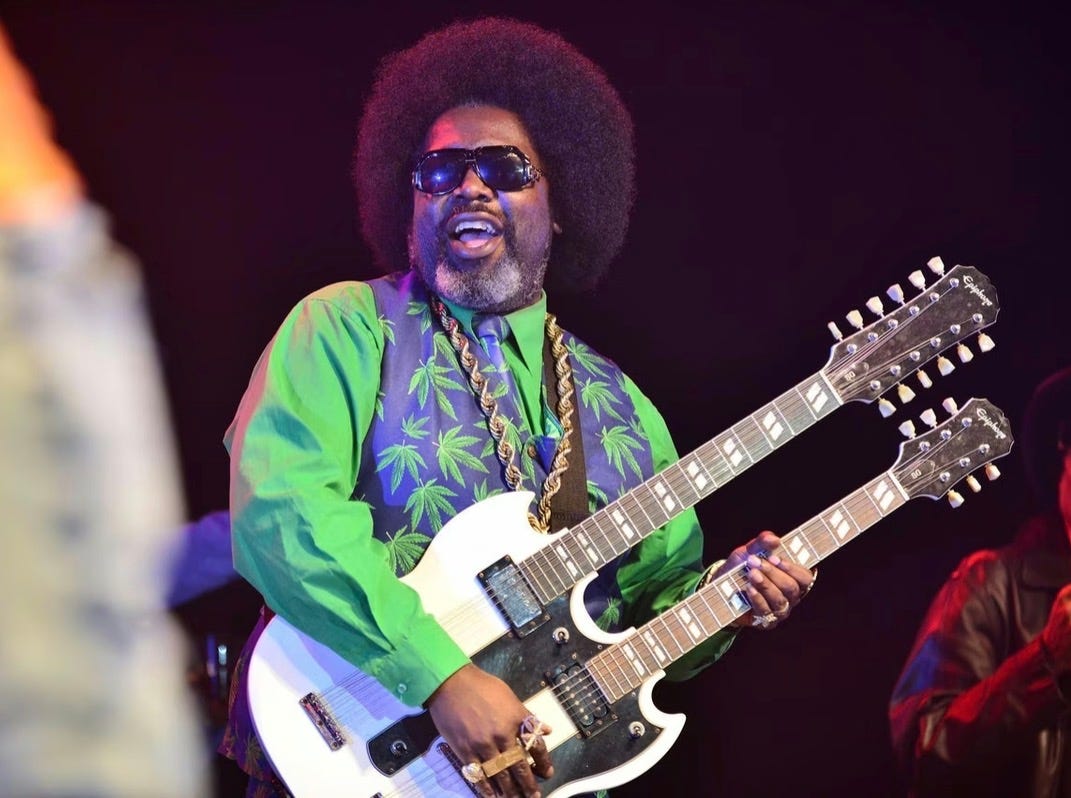
Law enforcement entered a private home, conducted a search, and left without a thing that justified the intrusion…but they did leave with something else, a digital record of their own behavior. (Oops!) When that record didn’t flatter them, they didn’t reflect, they litigated. That’s the modern instinct, isn’t it? Don’t fix the behavior, punish the mirror.
Now here’s where it gets interesting. Afroman didn’t retreat into polite outrage or hire a publicist to craft a somber statement. He did something far more American. He turned the footage into art, or at least into something adjacent to art, and let the public decide. It was messy, irreverent, and completely within his rights. Which, apparently, was the real problem.
The lawsuit that followed felt less like a quest for justice and more like a warning shot. Don’t you dare take control of the narrative. Don’t you dare turn authority into a punchline. Because once people start laughing, the illusion of control cracks. And power, especially the kind that shows up uninvited with a warrant, doesn’t especially enjoy being laughed at.
What fascinates me is how this case exposes a deeper contradiction. We’re told to respect law enforcement, to trust the system, to believe that accountability exists. But when a citizen uses his own legally obtained footage to question that system, suddenly accountability becomes harassment, and transparency becomes defamation. It’s a neat trick, if you can pull it off. Fortunately, this time, it didn’t work.
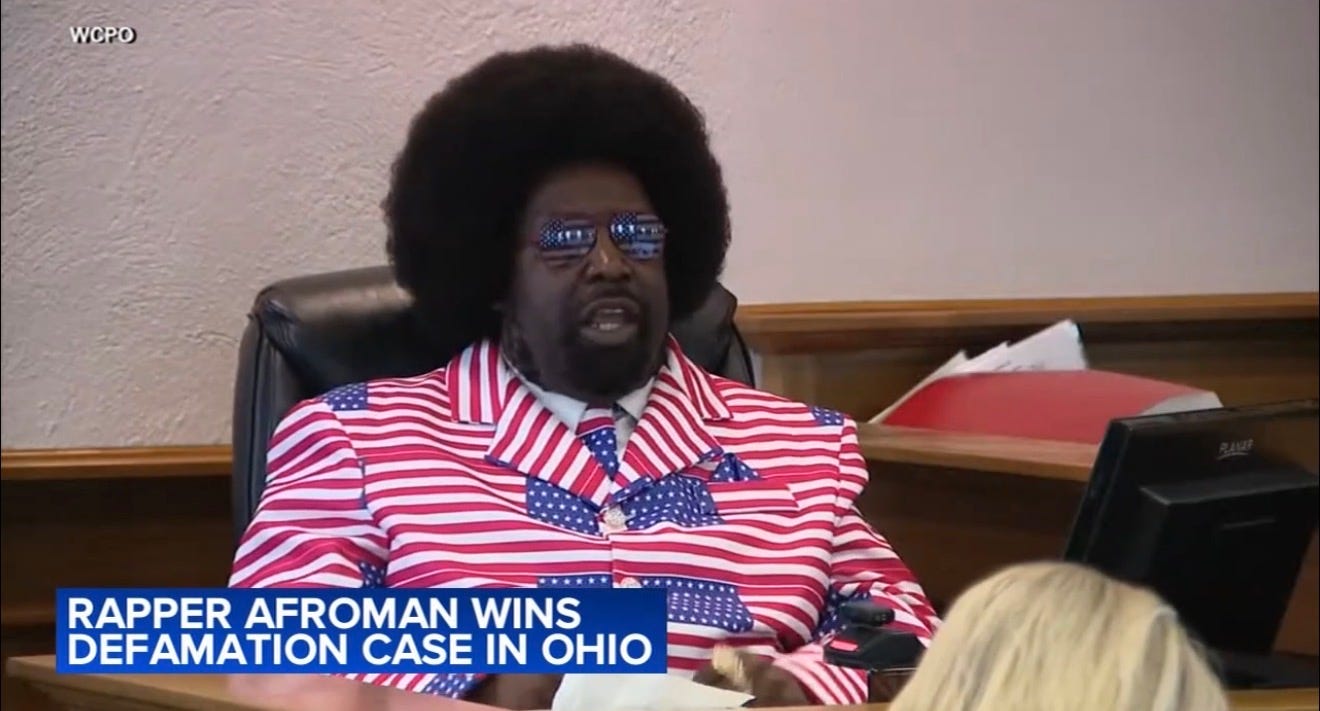
The jury saw through it. They recognized something simple and essential. If the state can enter your home, it can certainly be observed while doing so, and if that observation reveals something uncomfortable, the solution is not to silence the observer. That’s not how a free society functions, at least not one that still pretends to be free.
There’s also something quietly satisfying about the cultural reversal here. A guy dismissed for years as a novelty act ends up defending a principle that constitutional scholars love to debate but rarely get to test so vividly. Meanwhile, the people who are supposed to embody authority end up looking at like they can’t handle scrutiny. It’s almost poetic, in a slightly embarrassing, very American way.
What stays with me isn’t the humor, though there’s plenty of it. It’s the reminder that rights don’t assert themselves. They’re exercised, sometimes awkwardly, sometimes defiantly, and often by people no one expects. This wasn’t just a legal victory for one person. It was a small but meaningful affirmation that even in a system that often feels tilted, there are moments when the truth holds its ground. And when it does, it asks something of the rest of us. Pay attention.
You go, Afroman! Thanks for not staying quiet, but helping us all out. And thank your Mama, too!
C'mon Stacy, this is kind of a banger...
https://youtu.be/9xxK5yyecRo?si=xd2MGL9ugZXoQdTM